About The Civic School

What does school owe a child whose life will be lived alongside intelligent machines?

The Civic School began with that question. Everything about us - strong foundational academics, The Studios, town halls, AI policies, morning meetings and closing circle - is our answer.

From Our Founder

Built by someone from this community, for the families in it.
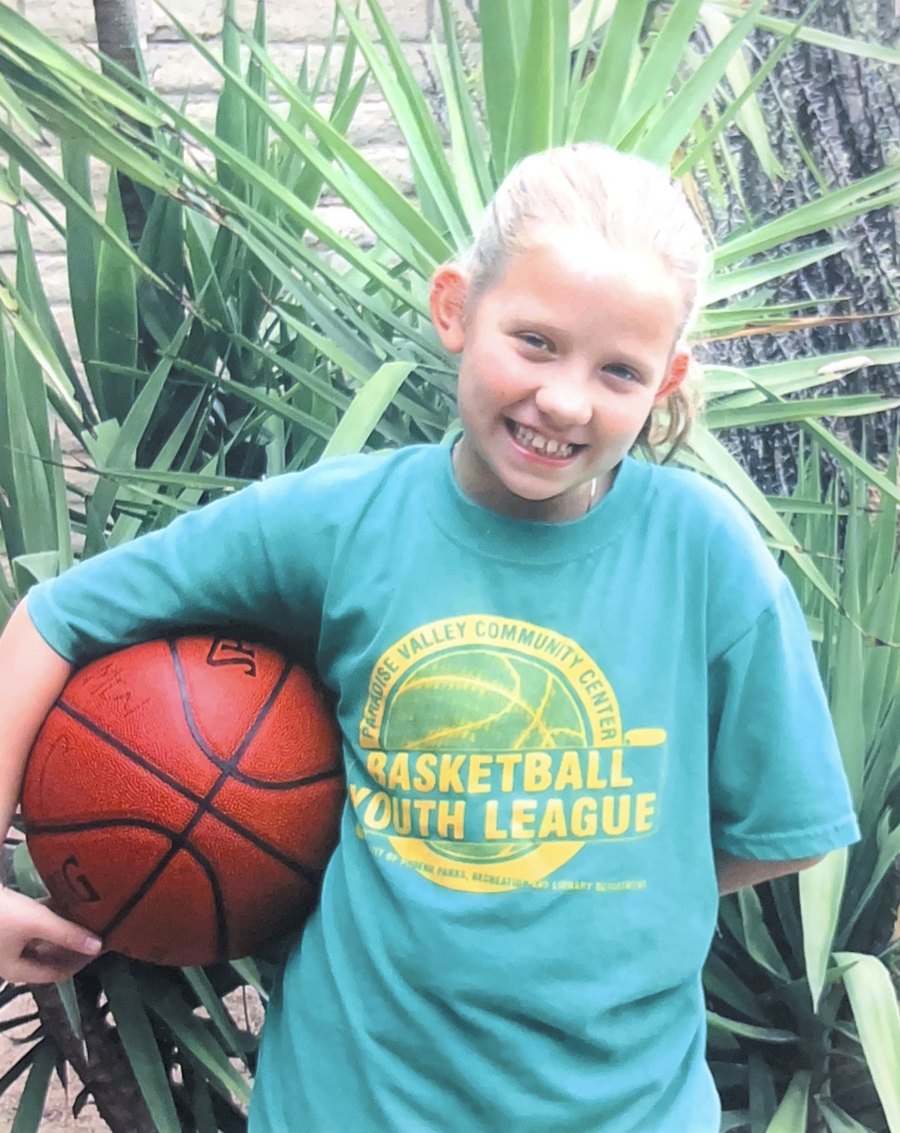
Danielle Bryant as a child, holding a basketball in a Paradise Valley Community Center Basketball Youth League shirt
Central Phoenix, a few decades before the doctorate.

Dear families,

I grew up in the Central Phoenix neighborhoods this school will serve. I’m building it for the families who live here now.

My doctoral work asked one question: how can schools be of service to our democracy? The answer I found starts earlier than most people expect: in elementary school. Where children learn to think for themselves, contribute to a community, and be known by the people around them. It’s also the best preparation I know for a world being remade by AI. The two questions turn out to have the same answer.

So that’s what we’re building. Mornings for literacy and math, taught with care. Afternoons in The Studios — civics, social skills, and thoughtful projects with real audiences. A town hall the kids run. Morning meetings and a closing circle every day.

I’ll make you three commitments, and I’ll put my name on them: your child will learn how to think. Your child will contribute to their community. Your child will meet what’s next.

We’re learning alongside our students so what we learn, we share. Come see us. Ask me anything; I’d love to talk about our model, the inspiration, and my hope for schools.

Danielle Bryant
Dr. Danielle Bryant · Founder, The Civic School
Who We Are

The ideas the school stands on.

01Our Mission+

At The Civic School, education is the long work of coming to know, coming to belong, and coming to be oneself.

We foster responsible leaders, generous citizens, critical thinkers, and ethical decision-makers, who care for the common good through the daily practice of asking, participating, making, and belonging. We invite children into the question their generation will answer: what does it mean to learn, lead, and live well in a world being remade by what machines can now do? We are learning alongside them, and what we learn, we share.

02Our Vision+

Always asking, “What’s next?”

03What We Mean by Civic+

Civic is the practice of being a contributing member of a community.

At The Civic School, civic is something children practice every day. It lives in the weekly town hall, the shared meal, and the steady work of being known, knowing others in return, and caring for the people nearby. Children learn to contribute real work, to lead responsibly, and to be the kind of person who is genuinely missed when they’re away. That is what it means to grow up civic.

Portrait of a Graduate

The Four Pillars of a Good Citizen.

Curiosity, contribution, creativity, and community — the daily practice of asking, participating, making, and belonging.

01

The Thinker

Curiosity · Asking

Your child learns to think for themselves — to wonder, ask real questions, and stay with a problem until it gives.

02

The Maker

Creativity · Making

Your child learns to make things with judgment and pride — to author the world, not just consume it.

03

The Giver

Community · Belonging

Your child is known here — and learns to give of their time and themselves to make sure others are too.

04

The Doer

Contribution · Participating

Your child learns to show up and take part — to raise their hand, join the work, and act on what they care about.

Concerned about screen time? So are we.

At The Civic School, screens sit well below typical elementary exposure — and never displace instruction, recess, or one another. But our stance is about more than how many minutes: it’s about the order things are learned in.

Not By Osmosis

Skills don’t arrive by handing a child a device.

Real capability isn’t absorbed just by being around technology. We build the thinking underneath it first — attention, reading, judgment, the patience to solve a hard problem — so a tool is understood, not just operated.

Introduced On Purpose

When a tool arrives, it comes naturally.

Because the foundation is already there, technology can be introduced deliberately — at the right age, alongside a teacher, with reflection on what the child did and what the tool did. To a prepared mind, the tool makes sense.

A small opening class.
A big first chapter.

Founding families shape the school with us — and hear about tuition details, tours, and enrollment before anyone else.

Join the founding-family waitlist

Questions? Write to danielle@thecivicschool.org